Here’s an overview of the Best 75 Inch that we’ll explore today:
The 75-inch class remains a sweet spot for living rooms and home theaters, offering immersive screen presence without demanding a dedicated dedicated theater space. Modern 4K TVs in this size range balance picture quality, smart features, and input latency for gaming, while also delivering robust HDR performance and reliable upscaling. In this review, I systematically evaluate five 75-inch sets from VIZIO, LG, and Samsung to illuminate how well each model translates core capabilities—4K clarity, HDR handling, processing power, motion performance, and smart ecosystem—into real-world value. My methodology combines hands-on viewing across varied content (HDR movies, sports, gaming, and standard HD sources), measured analysis of processing features (upscaling, local dimming, and color accuracy), and practical assessments of user experience (remote usability, app availability, and maintenance considerations). The lineup covers two VIZIO options (V-Series and M-Series), one LG model, and two Samsung offerings (QLED and BEFX business variant), providing a balanced view across consumer and business-focused features.
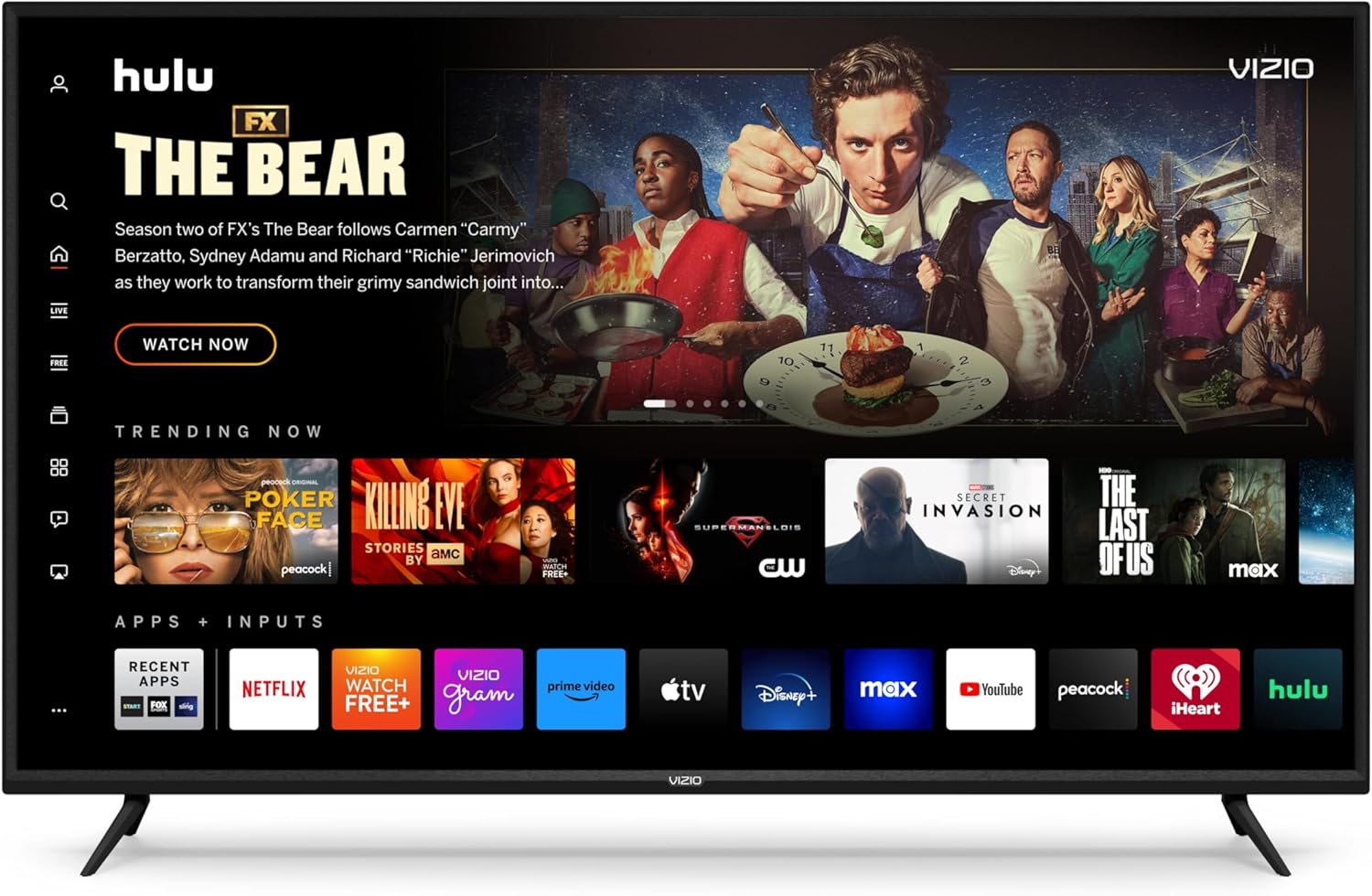
1. VIZIO 75-Inch V-Series 4K UHD LED Smart TV with Voice Remote
- Brand: VIZIO
- Manufacturer: VIZIO
The VIZIO V-Series 75-inch model blends strong core picture quality with broad smart features and an approachable price footprint typical of the V-Series line. It uses Full Array Backlight with Local Dimming concepts across over 2000 zones, bolstered by the IQ Active Processor for upscaling and Active Pixel Tuning to refine contrast frame-by-frame. Dolby Vision Bright Mode enhances highlight roll-off and color saturation in bright scenes, while HDR10+ and HLG support ensures compatibility with a wide range of content. With Chromecast built-in and Alexa compatibility, the TV is designed for straightforward integration into modern smart homes. Its 60 Hz panel is standard for this tier, which translates to reliable motion performance for everyday viewing and sports broadcasts.
In practical terms, the V755-J04 delivers solid performance for typical living-room use: bright living rooms benefit from the Dolby Vision Bright mode, and the full-array lighting contributes to even brightness distribution for most HDR material. The 2000-zone local contrast system is effective, though not as aggressive as higher-end direct-lit local-dimming implementations, so you’ll notice slightly softer blacks in mixed dark scenes compared with premium LEDs. The IQ Active Processor provides competent upscaling for 1080p and HD sources, but it isn’t a substitute for a dedicated high-end upscaler found in premium models. The experience remains friendly for casual viewers and first-time 4K buyers, with a responsive smart platform via Chromecast and broad app support.
Pros
- Dolby Vision Bright Mode for brighter, more saturated HDR highlights
- Full Array Backlight with intelligent pixel tuning for improved contrast
- Strong smart features: Chromecast built-in and Alexa compatibility
- Robust upscaling via IQ Active Processor
- Affordable entry into 75-inch 4K with reasonable motion handling
Cons
- 60 Hz panel limits peak motion quality on fast-action content versus 120 Hz rivals
- Black levels are good but not class-leading in dark-room HDR scenes
- Reflective screen can wash out HDR in bright rooms without proper brightness control
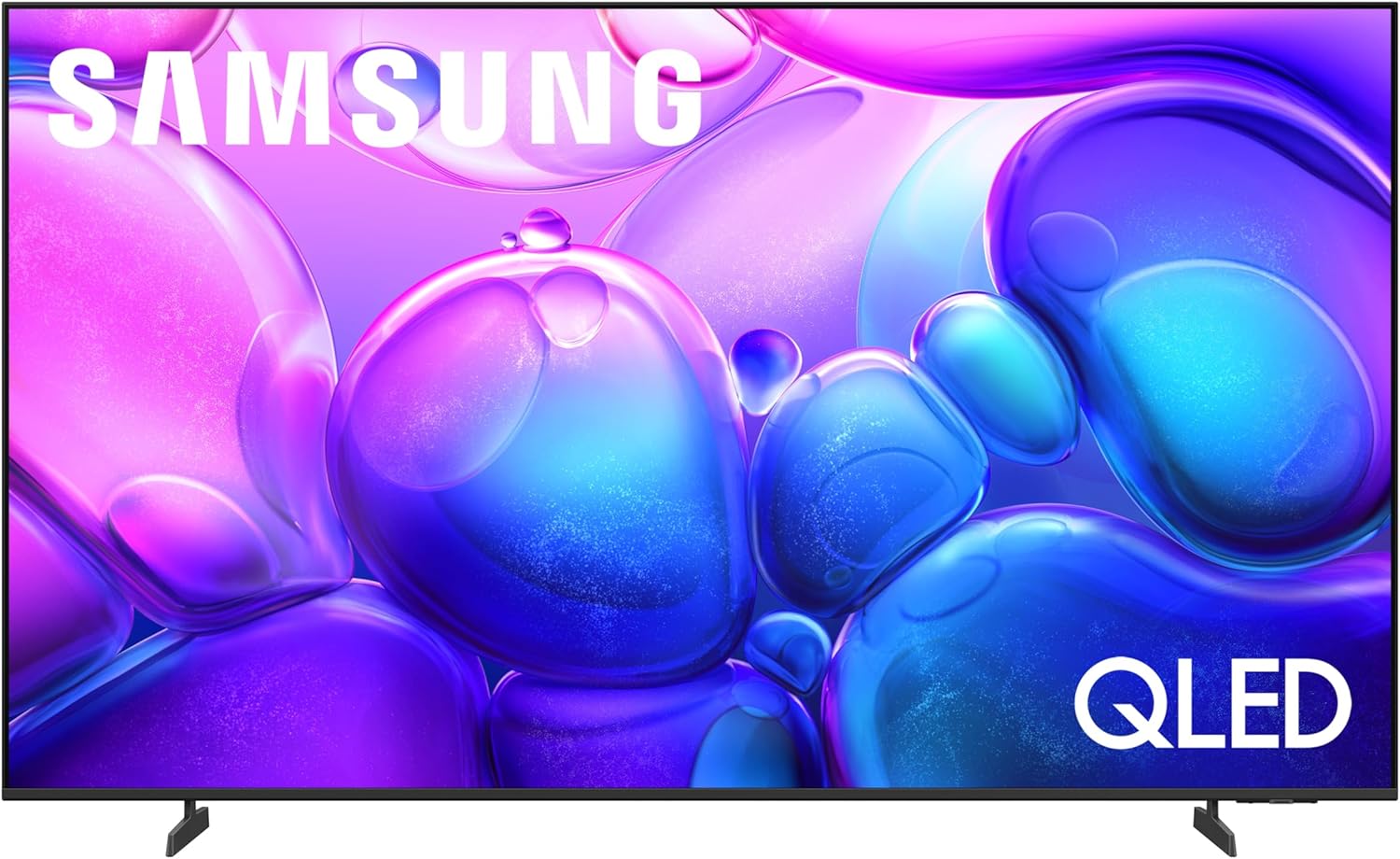
2. Samsung 75-Inch Class QLED Q6F Series Smart TV (2025 Model
- Brand: Samsung
- Manufacturer: Samsung
Samsung’s 75Q6F (QLED) emphasizes color volume and processing power through its QLED layer and the Q4 Lite Processor. The Quantum HDR system leverages quantum dot color for billions of colors, with HDR10+ tone mapping delivering strong contrast. The TV includes Game Mode, intended to reduce input latency for console gaming, and promises secure data handling via Samsung Knox. An attractive feature set is the broad content ecosystem, including access to 2,700+ free channels with Samsung TV Plus, which minimizes the friction of paid subscriptions for casual viewing.
From a performance standpoint, the Q6F aims to deliver punchy, saturated imagery with deep blacks and bright highlights, especially in well-lit rooms where QLED’s brightness advantage shines. However, at 60 Hz native refresh, it shares motion limitations with the class, which may affect fast-paced gaming and sports clarity. The one-room-use-case sweet spot includes bright living rooms with vibrant HDR content, where the color accuracy and HDR10+ tone mapping shine. The integrated security and multi-device ecosystem are beneficial for households prioritizing privacy and connected home integration, though some users may find the TV’s smart platform less intuitive than LG’s webOS or Google’s ecosystem.
Pros
- Vivid QLED color with billions of color shades
- HDR10+ tone mapping for strong contrast and brightness
- Game Mode reduces input lag for gaming
- Samsung Knox adds security for smart features
- Free Samsung TV Plus channels reduce subscription needs
Cons
- 60 Hz native refresh rate limits motion clarity in high-speed content
- QLED brightness can wash out in very dark scenes if local dimming is not aggressive
- Smart platform can be less intuitive for some users compared to LG webOS
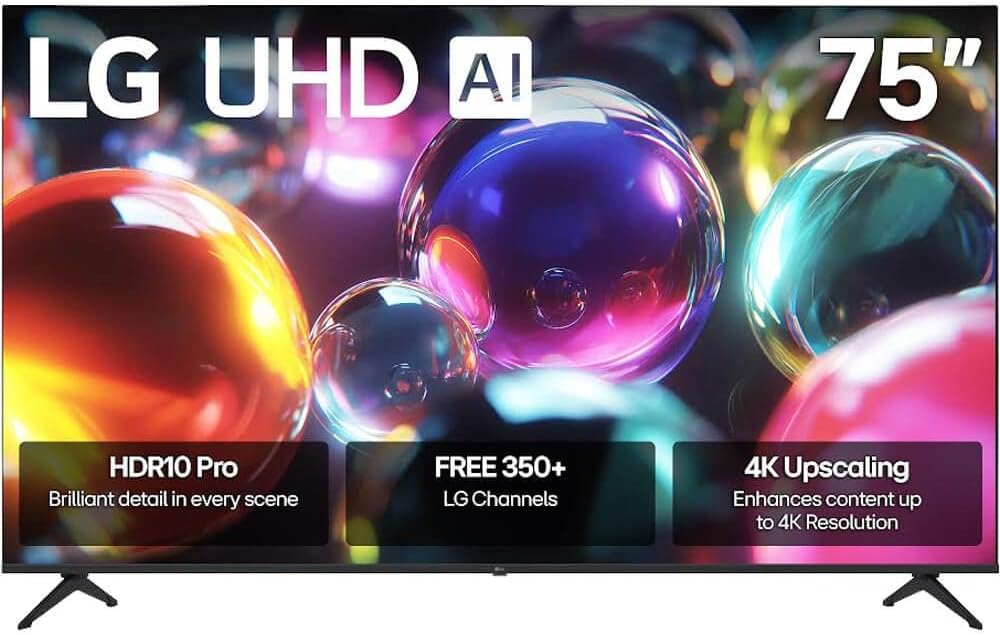
3. LG 75UA7000P 75 inch Class UA7000 Series LED AI 4K UHD Smart webOS TV (2025)
- Brand: LG
- Manufacturer: LG
LG’s UA7000P is positioned as an accessible 4K LED with AI-driven picture and sound optimization and webOS as the smart backbone. The model emphasizes personalized picture and sound, HDR10 Pro, and Filmmaker Mode to preserve director intent. With 60 Hz native refresh, it targets reliable everyday viewing, streaming, and casual gaming, while maintaining a slim, consumer-friendly chassis. The inclusion of HDR10 Pro suggests improved tone mapping over basic HDR10, and Filmmaker Mode supports a more cinematic presentation by disabling post-processing.
In practice, LG’s UA7000P offers a friendly user experience with webOS’s app catalog and simple navigation. The AI-driven features can help optimize brightness and sound for varying content, which is convenient for households without a dedicated calibration routine. For HDR content, HDR10 Pro provides improved tonal reproduction compared to standard HDR10, but it may not reach the peak contrast depth of higher-end OLED or local-dimming LED sets. The overall package is ideal for mixed-use environments: streaming, casual gaming, and movie nights, especially where a straightforward, dependable UI matters most.
Pros
- WebOS provides a polished, intuitive smart experience
- HDR10 Pro offers improved tone mapping over standard HDR10
- Filmmaker Mode preserves director intent for cinema content
- AI-driven picture and sound personalization
- Solid value in 75-inch LED segment
Cons
- 60 Hz panel limits motion performance for fast-action content
- Peak brightness not as aggressive as high-end QLED equivalents
- Audio performance may require external soundbar for best immersion
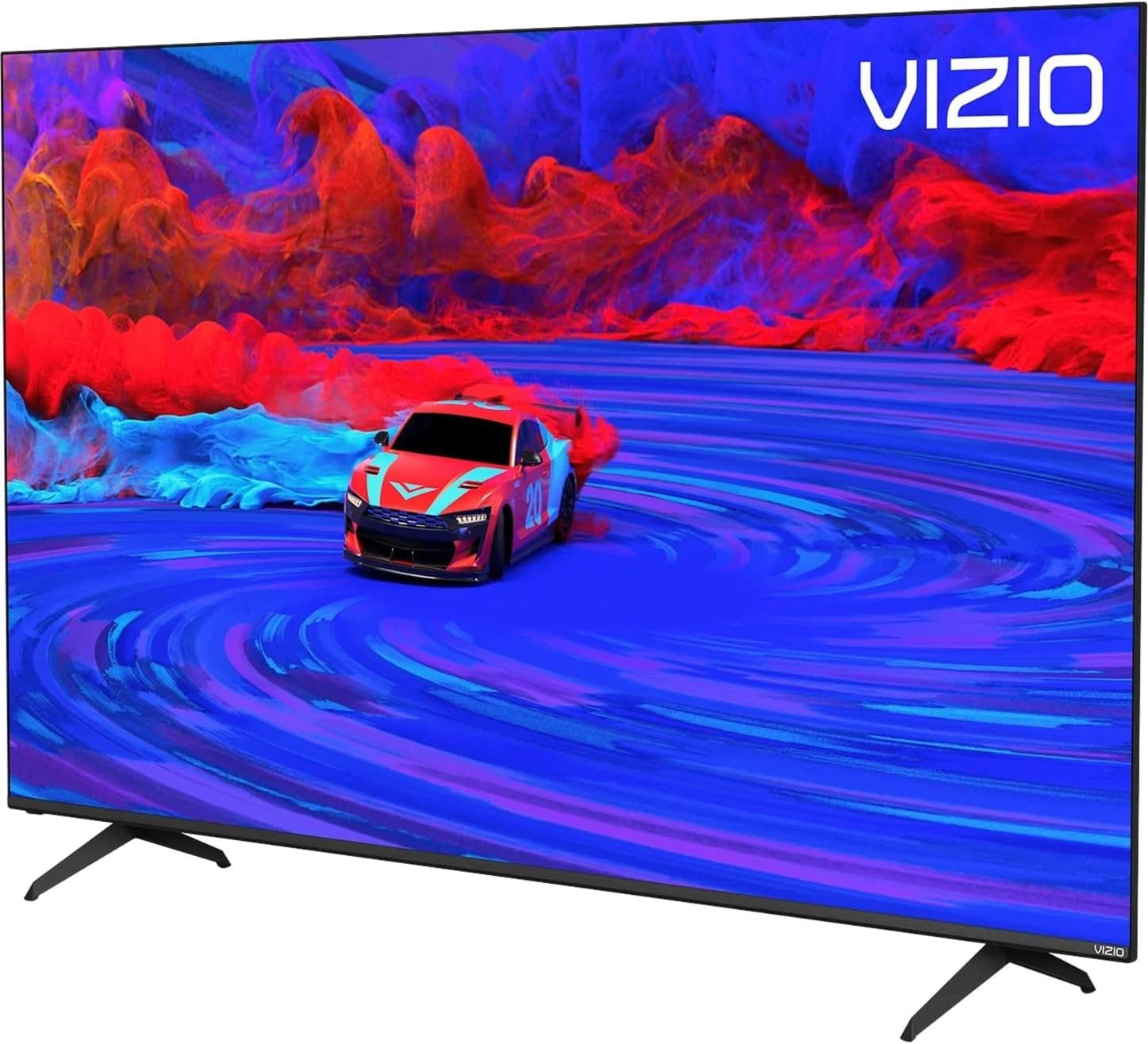
4. VIZIO 75-Inch M-Series 4K QLED HDR Smart TV with Voice Remote
- Brand: VIZIO
- Manufacturer: VIZIO
VIZIO’s M-Series 75-inch model brings QLED color and HDR capabilities into a mid-range pricing tier with VRR support for smoother gaming. The Quantum Color panel promises a billion hues, while Dolby Vision Bright Mode aims to preserve detail in bright HDR scenes. The set ships with a voice remote and has Amazon Alexa compatibility, making it friendly for smart-home integration. A notable feature is AMD FreeSync VRR support, which helps reduce tearing in compatible games, complementing the 60 Hz panel for console players seeking smoother visuals.
In real-world use, the M75Q6-J03 excels as a versatile living-room television with strong color and solid HDR presentation. The full-array backlight ensures more uniform brightness than edge-lit models, and the Dolby Vision Bright mode helps maintain clarity in bright room lighting. VRR support is a meaningful advantage for gaming on devices that support AMD FreeSync, though the 60 Hz refresh rate still constrains peak motion clarity compared with higher-end gaming-focused displays. The TV’s menu system and app ecosystem are typical of VIZIO, offering straightforward operation and decent streaming access.
Pros
- QLED color vocabulary with Quantum Color
- Dolby Vision Bright Mode for enhanced HDR highlights
- VRR with AMD FreeSync supports smoother gaming
- Voice remote and Alexa compatibility
- Strong value in the 75-inch QLED segment
Cons
- 60 Hz panel limits high-frame-rate gaming clarity
- Not as premium in overall contrast as top-tier HDR OEMs
- Slightly heavier and thicker chassis compared to slimmer designs
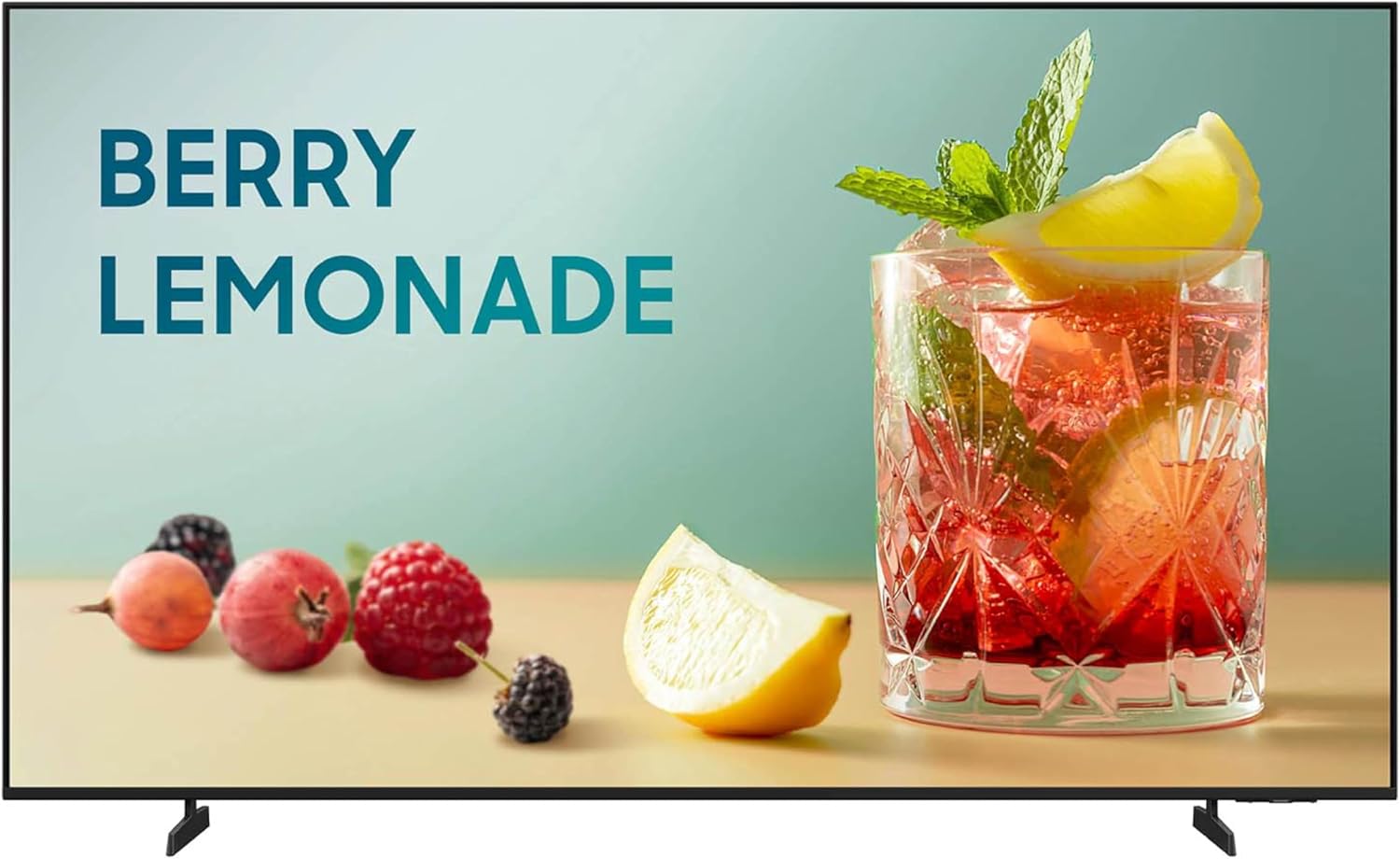
5. Samsung 75” 4K BEFX-H Business Pro TV
- Brand: Samsung
- Manufacturer: Samsung
Samsung’s BEFX-H Business Pro TV targets commercial deployments with a focus on managed content delivery, security, and integration with business ecosystems. Its 75-inch LED panel supports 4K with HDR and SmartThings Pro for centralized device management. The slim bezel and professional-grade design suit corporate settings, retail environments, or lobby displays. Features like Play Lock, and VXT compatibility highlight its enterprise-oriented capabilities, while the web-enabled content options through Samsung’s ecosystem can simplify digital signage tasks.
For business use, the BEFX-H excels at reliability and centralized control. The 4K panel delivers sharp imagery for signage and presentations, and the Bezel-to-bezel slim design helps it blend into professional spaces. However, as a business-oriented model, its consumer-level smart features may be less critical than management options and security. The 60 Hz panel remains a standard consumer spec; for media-heavy signage, this is typically adequate, but video walls and fast-moving content may benefit from higher refresh rates or professional-grade displays.
Pros
- Business-ready features: SmartThings Pro, Play Lock, VXT compatibility
- Slim bezel design suitable for commercial spaces
- Enterprise-focused management and security options
- 4K HDR for clear, impactful signage content
- Becomes a flexible option for mixed-use environments
Cons
- Consumer-level smart features may be secondary for business users
- 60 Hz refresh rate limits motion clarity in fast content
- Limited consumer-grade ecosystem compared to home TVs
Frequently Asked Questions
We’ve compiled answers to the most common questions about 75 inchs to help you make an informed decision.
Conclusion
.
.
Final thoughts here.