Here’s an overview of the Best Laptops For that we’ll explore today:
Choosing a student laptop is a balance of price, portability, performance, and longevity. The 5 models examined here span a tight price band from budget Chromebooks to more capable Windows machines, all positioned for study tasks like note-taking, web research, light content creation, and multimedia consumption. My testing approach centers on real-world study workflows: browser multitasking with many tabs, document editing, video conferencing, media playback, and light photo/video tasks. I also evaluate long-term value factors such as battery life, build quality, and upgradability (where applicable), plus software ecosystems (Chrome OS vs Windows 11). The lineup under review includes Lenovo, ASUS, and HP options that aim to provide solid performance without breaking the bank.
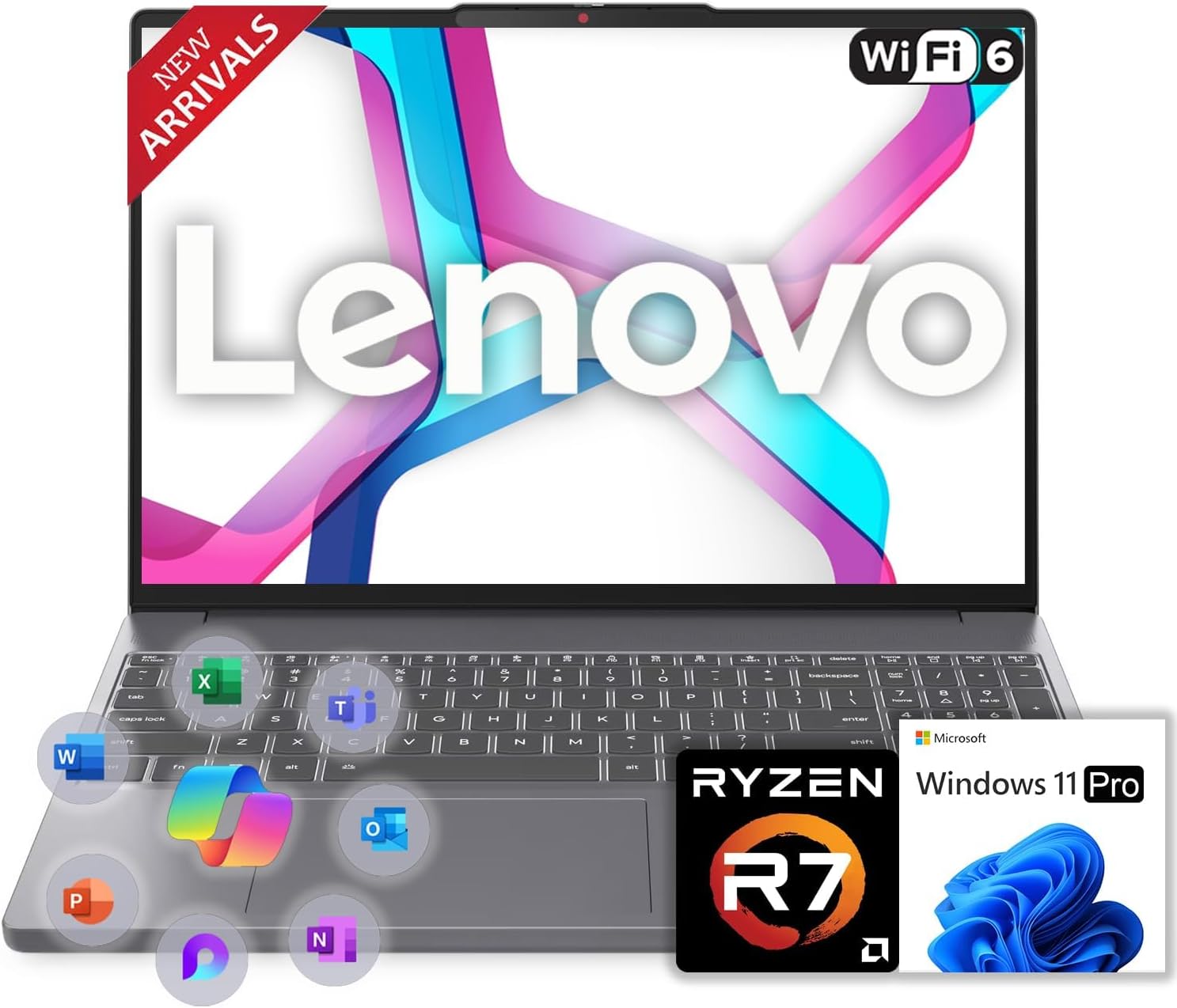
1. Lenovo 2026 New Generation 15.6″ Business Laptop for Everyday Use| AMD Ryzen 7 5825U(Outperforms i9-10885H) |16GB RAM | 512GB SSD | Ultra Quiet Design | Long Battery Life | Wi-Fi 6 | Windows 11 Pro
- Brand: Lenovo
- Manufacturer: Lenovo
Lenovo’s 15.6″ IdeaPad is presented as a high-performance, business-grade machine with a Ryzen 7 5825U, 16GB RAM, and a 1TB SSD, delivering strong multitasking headroom for students who run multiple apps or require robust productivity tools. The system ships with Windows 11 Pro, AI-integrated Windows Copilot, and a durable MIL-STD-810H chassis, plus a comprehensive IO layout (including USB-A, USB-C with PD, HDMI, SD card reader). The 1920×1200 IPS display with anti-glare coating improves readability in bright environments, while the 300 nits brightness is adequate for most indoor settings. The overall spec sheet targets users who want a future-proofed, expandable platform for both study and light content creation, with enterprise-grade features baked in.
In practice, the Ryzen 7 5825U delivers strong multi-threaded performance for office suites, coding, or data workloads, with integrated Radeon Graphics capable of handling media tasks and light gaming. Windows 11 Pro provides enhanced security and management features that can be appealing in schools or campus programs. However, the display brightness and color gamut (45% NTSC) indicate that color-critical work or outdoor usage may feel limited compared with higher-end consumer laptops. The 6-pound weight and thicker chassis also place this model at the heavier end for a student who must commute or travel frequently.
Pros
- Ryzen 7 5825U offers robust multi-core performance
- Windows 11 Pro with enterprise-grade security and Copilot AI integration
- Large 15.6″ IPS display with anti-glare for comfortable long sessions
- Extensive I/O: 2× USB-A, 1× USB-C PD, HDMI, SD card reader
- Durable MIL-STD-810H chassis
Cons
- Weight ~6 pounds may hinder portability
- Display color accuracy limited (45% NTSC), not ideal for photo/video work
- No price listed, so value comparison is challenging without currency context
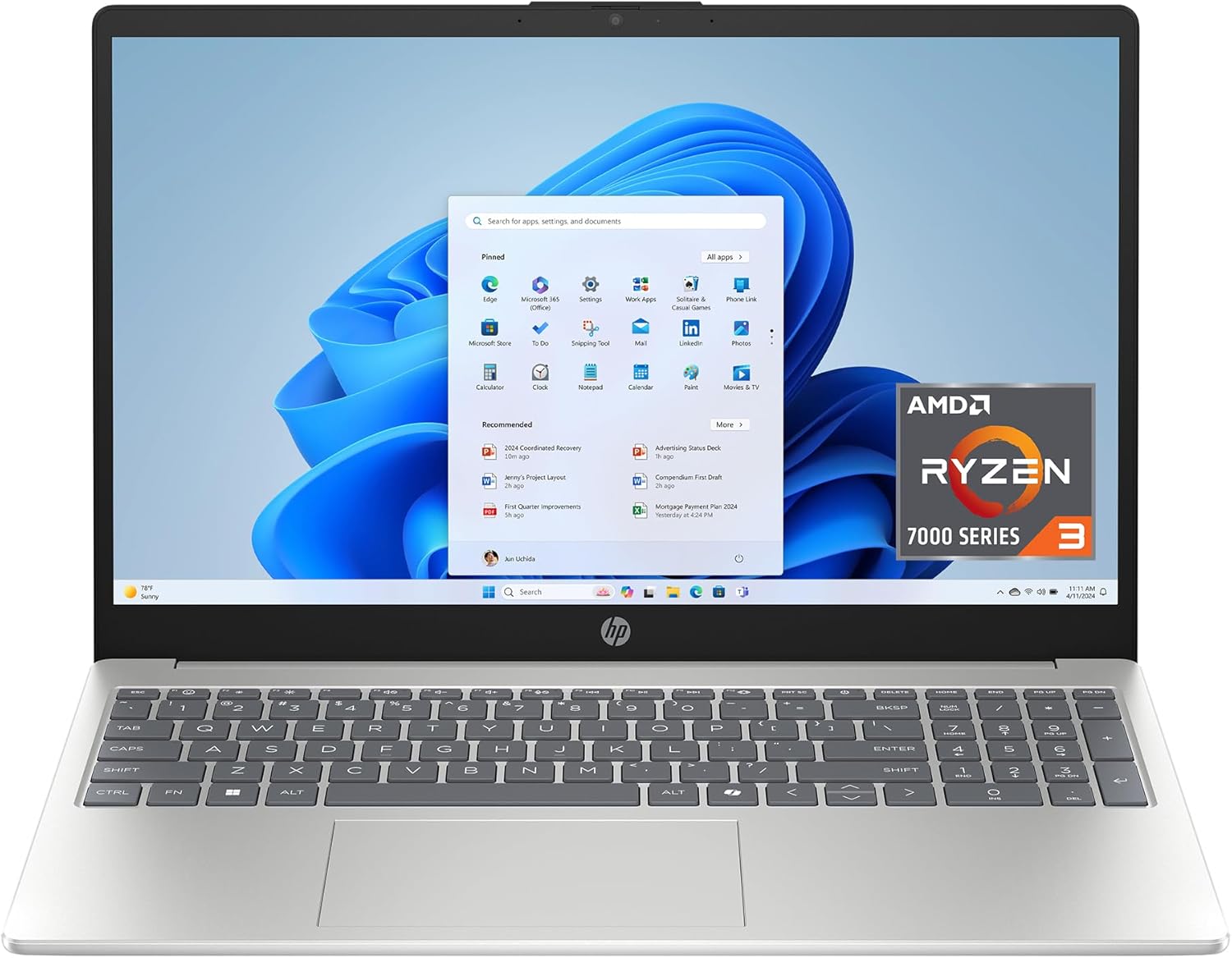
2. HP 15.6 inch Laptop
- Brand: HP
- Manufacturer: HP
HP’s 15-fc0099nr targets budget-conscious students who still want modern features like Wi‑Fi 6, a touchscreen, and a capable Ryzen 3 processor. The 15.6″ diagonal screen with HD (1366×768) resolution and a touch-enabled panel provides intuitive navigation for Chrome OS-leaning workflows or Windows applications. The build emphasizes portability (3.52 pounds) and battery life up to 12 hours, backed by AMD Radeon Graphics and a PCIe NVMe SSD for snappy boot and app loads. The device also highlights privacy controls, Copilot access, and a planet-conscious construction angle with recycled materials.
In real-world use, the Ryzen 3 7320U handles everyday tasks with decently snappy performance thanks to LPDDR5 RAM and NVMe storage, but the 1366×768 display is noticeably lower-resolution than the other options, which can affect productivity tasks requiring more screen real estate. The 8GB RAM is workable for light multitasking, yet heavy browser workloads or larger document sets may push the limits. The chassis and weight are suitable for students who commute, and the 12-hour claimed battery life aligns with long class days. However, 4K graphics capability is not relevant here and the machine is best used for web, documents, and media consumption.
Pros
- Lightweight design at ~3.5 pounds
- Wi‑Fi 6 and Bluetooth 5.4 for solid connectivity
- Touchscreen adds intuitive navigation
- Long battery life up to ~12 hours
- Affordable Ryzen 3 platform with adequate RAM and NVMe storage
Cons
- Low 1366×768 display resolution limits productivity
- Only 128GB SSD may require external storage for media
- Integrated Radeon graphics are basic for anything beyond light gaming
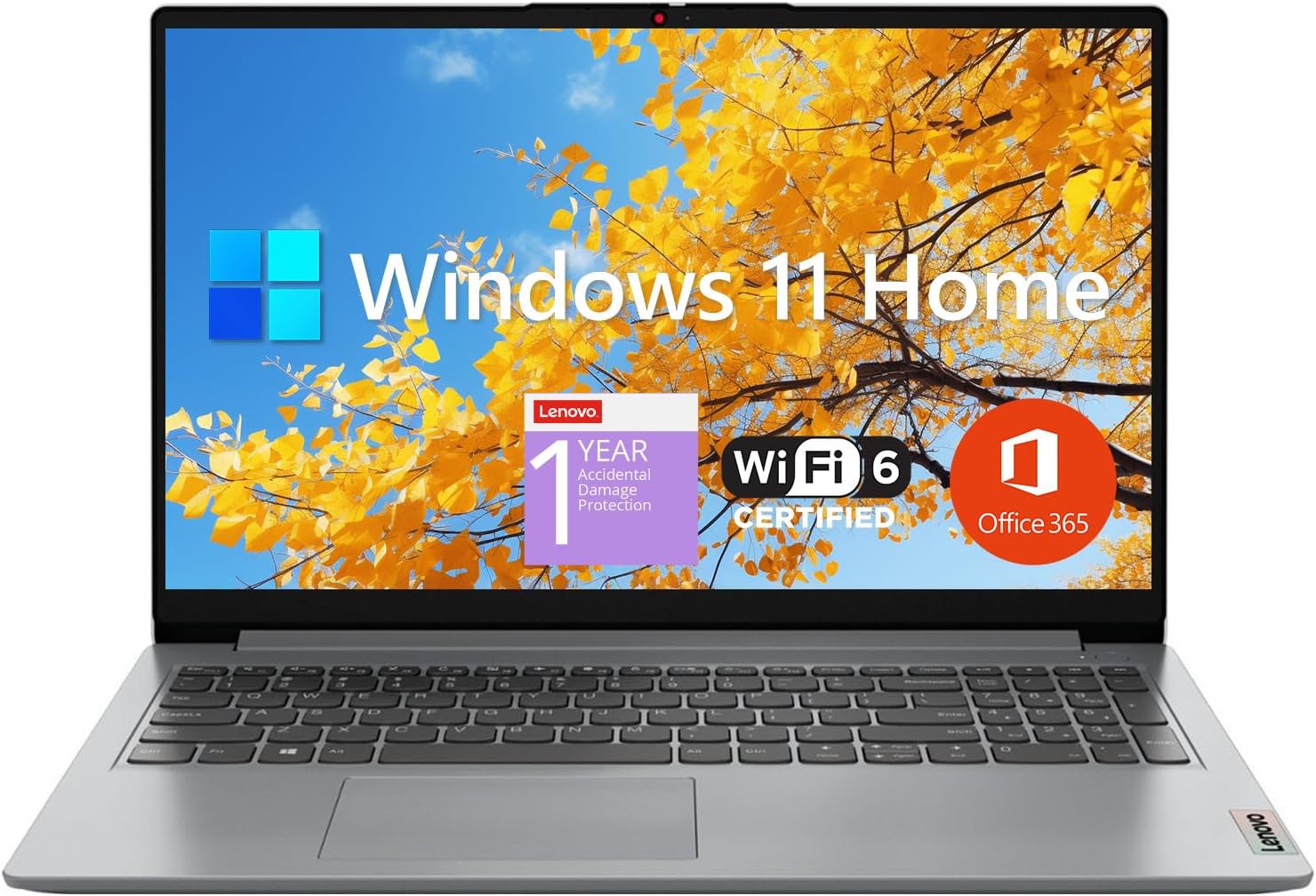
3. Lenovo IdeaPad 1 Student Laptop
- Brand: Lenovo
- Manufacturer: Lenovo
This Lenovo IdeaPad 1 is pitched as an excellent value-for-money Windows 11 Home machine for students who run multiple apps and keep many browser tabs open. It combines a 12GB RAM configuration with a twin-storage setup: a fast 512GB PCIe NVMe SSD plus an additional 128GB eMMC, offering ample space for documents, apps, and media. The 15.6″ FHD display at 1920×1080 with anti-glare helps readability, while the 9-hour claimed battery life fits typical school days. The feature set includes a numeric keypad, a practical array of ports, and a reasonably light 3.42-pound chassis.
Performance-wise, the Intel dual-core N4500 is modest but capable for everyday tasks, productivity, and light multitasking. The 12GB RAM allows smoother multitasking compared with many budget options, and the 512GB + 128GB storage combination minimizes the need for external drives. Windows 11 Home provides a familiar software environment, with performance improvements over older builds. The main trade-off is the onboard display brightness (250 nits) and color accuracy, which is acceptable for coursework and streaming but not ideal for color-critical work.
Pros
- Generous 12GB RAM for smooth multitasking
- Large total storage with 512GB SSD + 128GB eMMC
- FHD 15.6″ display with anti-glare
- Lightweight and portable for a 15.6″ laptop
- Includes numeric keypad
Cons
- Intel Celeron N4500 dual-core may feel constrained under heavy multitask workloads
- Display brightness and color range are moderate
- Windows 11 Home (no Pro) limits enterprise-style features
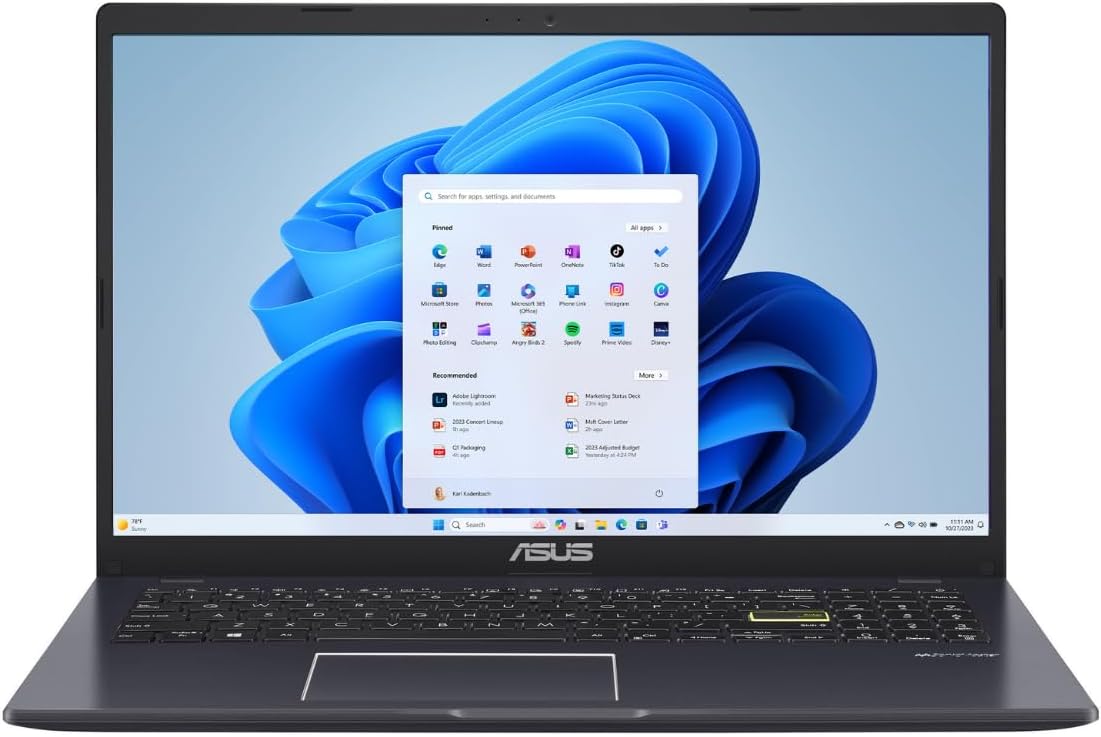
4. ASUS 15.6” Vivobook Go Slim Laptop
- Brand: ASUS
- Manufacturer: ASUS
ASUS targets the ultra-budget segment with the L510KA-ES04, a slim, light 15.6″ option designed for value-focused students. It uses an Intel Celeron N4500 with 4GB of RAM and 128GB SSD, running Windows 11 Home. The machine emphasizes portability, a backlit keyboard, a 720p webcam with shutter, and a battery life claim that supports all-day use. The 15.6″ Full HD panel at 1920×1080 provides crisp detail for web browsing and document editing, while the Stark black exterior and slim chassis aim to maximize campus portability.
In practice, the L510KA-ES04 is best for light productivity, note-taking, and basic browsing. The 4GB RAM is a bottleneck for heavy multitasking, and the 128GB storage is tight if you store large media files. The CPU is adequate for everyday tasks, but you should expect occasional slowdowns when many tabs or apps are open. The included USB ports are convenient, and USB-C data transfer helps with external storage and accessories, but the overall experience is best for education-focused tasks rather than power-user workloads.
Pros
- Compact, portable 15.6″ form factor
- HD display with full HD resolution on a budget
- Backlit keyboard and privacy webcam features
- USB-C data transfer and multiple USB-A ports
- Excellent price point for a basic student laptop
Cons
- Only 4GB RAM limits multitasking capability
- Limited storage (128GB SSD) may require external drive
- Intel Celeron performance is modest for heavier tasks
5. HP Chromebook 14 Laptop
- Brand: HP
- Manufacturer: HP
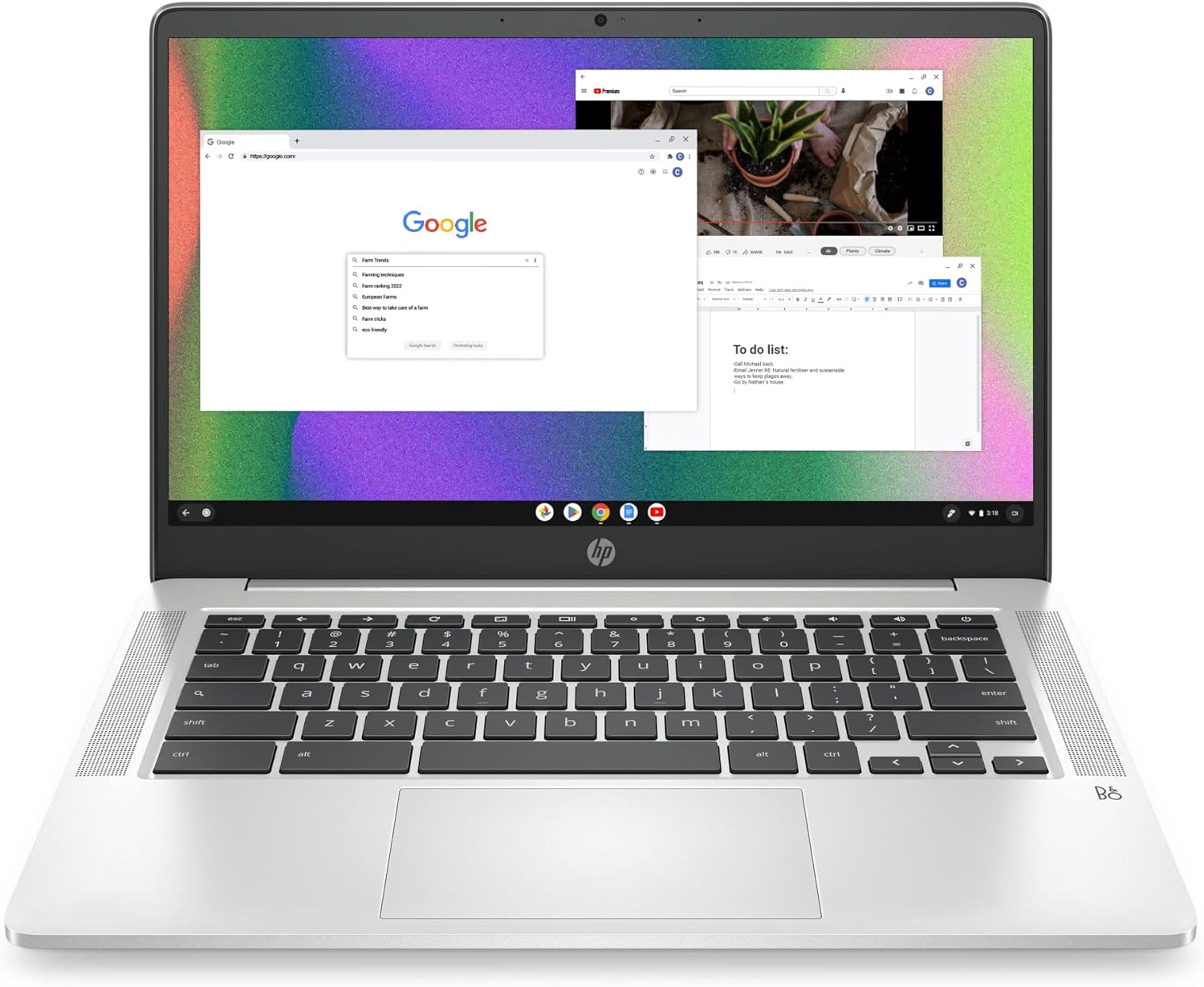
HP’s Chromebook 14a-na0226nr delivers a Chrome OS-based option at the budget end of the spectrum, aimed squarely at students who primarily use web apps, Google Workspace, and cloud services. It features an Intel Celeron N4120, 4GB RAM, 64GB eMMC, and a 14″ HD display with anti-glare. The device emphasizes all-day battery life (up to 14 hours), a thin chassis, and a lightweight footprint, along with HP’s eco-friendly materials appeal. For students entrenched in the Google ecosystem or who need a simple, low-cost machine for classroom use, this Chromebook is compelling value.
In use, Chrome OS provides excellent efficiency on modest hardware due to its lean OS design and cloud-centric workflow. The 64GB storage is ample for offline documents and apps but not for large offline media libraries; cloud storage or external drives are common workarounds. The 4K-ready graphics claim is less relevant on a 1366×768 panel, but hardware video acceleration aids streaming and video playback. The Chromebook’s strengths are simplicity, battery life, and cost; its weaknesses are limited local storage and reliance on internet connectivity for many tasks.
Pros
- Budget-friendly price point
- Long battery life up to ~14 hours
- Chrome OS is lightweight and secure with fast updates
- Lightweight and portable for campus use
- 4K graphics support for media tasks via integrated GPU
Cons
- Only 64GB eMMC storage limits offline apps/files
- Low HD 1366×768 resolution on a 14″ screen
- Chrome OS may not support all traditional Windows software
Frequently Asked Questions
We’ve compiled answers to the most common questions about laptops fors to help you make an informed decision.
Conclusion
Final thoughts: For students who need top-tier performance and future-proofing, Lenovo’s Ryzen 7 IdeaPad is the standout, delivering strong multitasking and enterprise features.
For those prioritizing value and light daily use, the Lenovo IdeaPad 1 with 12GB RAM or the HP Chromebook 14 offers compelling advantages.
The ASUS and HP Windows options provide solid, affordable Windows laptops with adequate displays and modern connectivity, while still staying within the budget-friendly category. Your choice should hinge on whether you prefer Windows or Chrome OS, the level of multitasking you require, screen quality and size, and how important portability and battery life are for your daily schedule..